
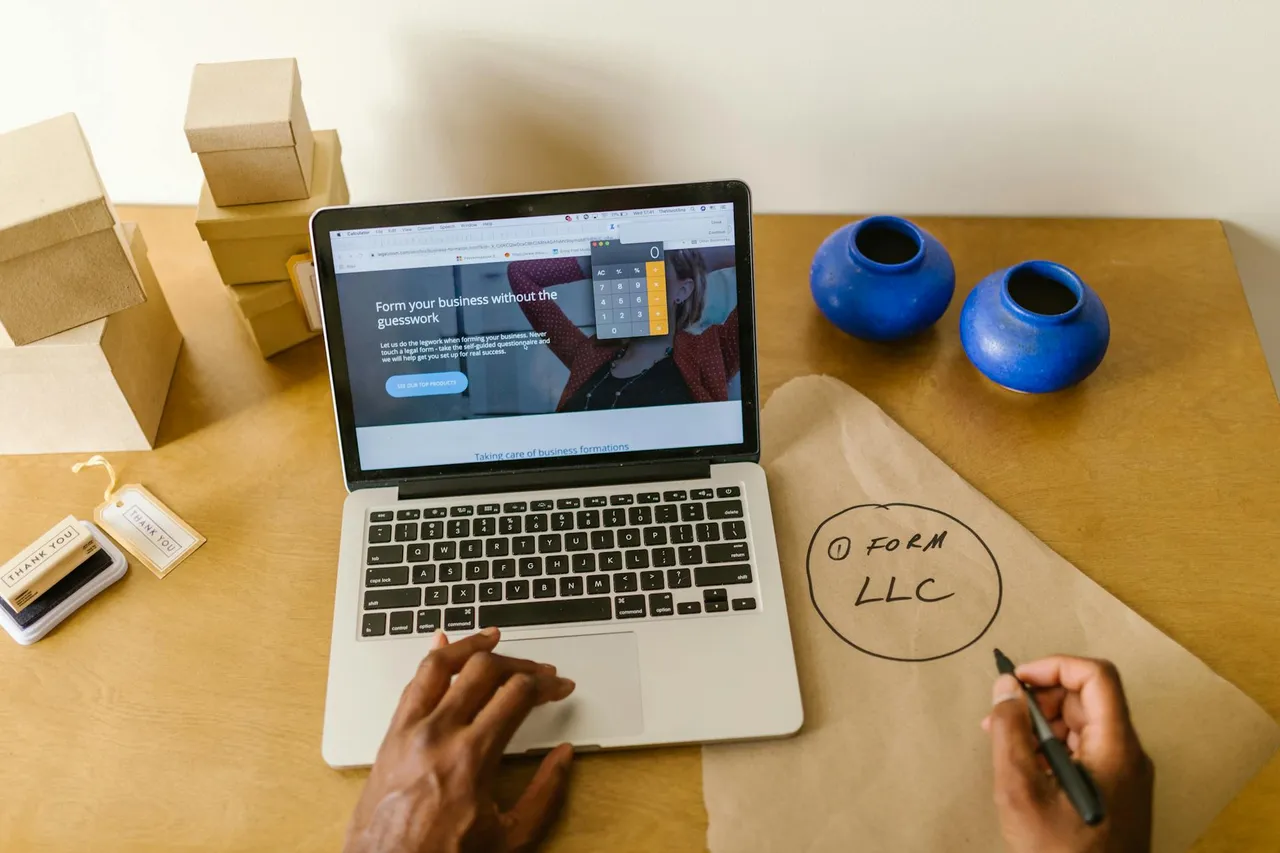
Many small business owners view their website as a digital business card. It lists services, shows contact details, and looks nice. This view misses a huge opportunity. Your website is not just an online brochure. It is your hardest-working sales employee. It operates 24 hours a day, seven days a week. It can attract new customers, build trust and drive real revenue. Here is how to make your website work as hard as you do.
The Foundation: Clear Value and User Experience
Your website’s primary job is to answer a visitor’s immediate questions. What do you do? How can you help me? Why should I choose you? If these answers are not clear within seconds, visitors will leave. This is where a strong value proposition comes in. Clearly state your unique selling points. Make it obvious on your homepage.
Beyond clear messaging, user experience is critical. Your website must be easy to navigate. Customers need to find what they are looking for quickly. Confusing menus or buried information frustrate visitors. They will go elsewhere. A mobile-friendly design is non-negotiable today. Most people browse on their phones. Your site must look and function perfectly on any device. If it does not, you are losing potential sales. This foundational work is part of our web design services. We build sites designed for your customers first.
Think about your own online habits. When you visit a website, how quickly do you decide if it is useful? Your customers behave the same way. They want clear headings. They want concise paragraphs. They want obvious buttons. These buttons are your calls to action. Do you want them to call you? Make the phone number clickable. Do you want them to request a quote? Use a prominent “Get a Quote” button. Every page should guide the visitor towards a next step. This is how a good user experience translates directly into sales leads.
Building Trust and Credibility
Customers buy from businesses they trust. Your website is often their first impression. A professional, polished design immediately signals credibility. It shows you care about your business and your customers. Outdated designs or broken links suggest carelessness.
Testimonials and reviews are powerful trust builders. Feature them prominently. A dedicated testimonials page is good. Even better, sprinkle short, impactful quotes across relevant service pages. For example, a landscaping business might show a review about their patio installation on their patio service page. This offers social proof. It helps potential customers visualize themselves getting a great result.
Your “About Us” page is more than just a company history. It is a chance to connect with your audience. Share your story. Explain your mission. Introduce your team. People want to buy from real people. Humanize your brand. Show your passion for what you do. High-quality images of your team and your work also build trust. Avoid generic stock photos if possible. Show your actual business, your actual products, your actual people.
Driving Local Customers: Local SEO and Online Visibility
For many small businesses, local customers are the lifeblood. Your website needs to attract people in your specific service area. This is where local search engine optimization, or local SEO, becomes vital. It is about making sure your business shows up when local customers search for your products or services.
The cornerstone of local visibility is your Google Business Profile. This free tool allows your business to appear in Google Maps and local search results. It shows your address, phone number, hours, and customer reviews. An optimized profile drives calls, website visits, and foot traffic. It is non-negotiable for local businesses.
Ensure your website consistently displays your Name, Address, and Phone number, often called NAP. This information must be identical across your website, your Google Business Profile, and all other online directories. Inconsistencies confuse search engines. They can hurt your local rankings. Include location-specific keywords throughout your website content. If you are a plumber in Phoenix, mention “Phoenix plumbing services” or “plumber in Phoenix Arizona.” These details tell Google where you operate. They help connect you with local customers ready to buy.
Engaging Visitors and Capturing Leads
Once visitors are on your site, you need to engage them. Then you need to capture their information. This turns a browser into a potential lead.
Easy-to-find contact forms are essential. Do not make people hunt for a way to reach you. Place forms on your contact page, service pages, and even in your footer. Keep them simple. Ask only for necessary information. A long form is a barrier. A short form is an invitation.
Consider offering something of value in exchange for an email address. This could be a free guide, a checklist, or a discount code. This builds your email list. Email marketing is still one of the most effective ways to nurture leads. It turns them into repeat customers.
Your service and product pages need to be highly informative. Do not just list features. Explain the benefits. How does your service solve a customer’s problem? Use clear, appealing language. Include high-quality images or videos of your products in action. Answer common questions directly on these pages. This preempts objections and moves customers closer to a purchase decision.
Measuring Success and Adapting
A website is not a static billboard. It is a dynamic sales tool. It requires ongoing attention. You need to know if your website is actually working for you. Tools like Google Analytics provide valuable insights. They show you how many people visit your site. They show which pages are most popular. They show how visitors interact with your content.
Understanding this data helps you make informed decisions. Is a certain page not converting well? Maybe the call to action needs adjusting. Are visitors dropping off at a specific point? Perhaps the content needs clarification. Your website should evolve based on real user behavior. This iterative approach ensures your website remains a powerful sales engine. It keeps driving results for your business.
Conclusion
Your small business website has immense potential. It can be far more than just an online presence. It can be a relentless sales machine. By focusing on clear communication, building trust, optimizing for local search and engaging your visitors, you transform your website. It becomes a vital asset that generates leads and drives revenue.
Do not let your website sit idly by. Make it work for you, 24/7. If you are ready to build a website that truly performs, we are here to help. Get in touch with us today. Let us discuss how we can turn your website into your most effective sales tool.